

Fish Farming: A Sustainable Solution to Meeting Growing Demand for Seafood
As the global population continues to expand, so does the demand for seafood. Fish farming, also known as aquaculture, has become an increasingly popular solution for meeting this demand while conserving the wild fish populations.
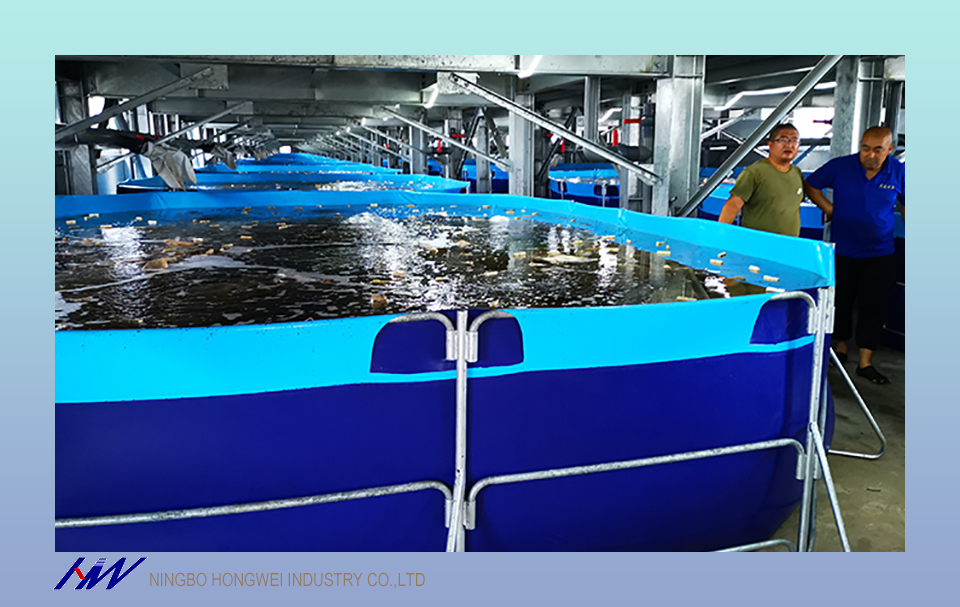
Fish farming involves the breeding and raising of fish in tanks or enclosures, with the goal of providing a healthy and steady supply of fish for consumption. This industry has been successful in producing a variety of fish species such as salmon, tilapia, catfish and more.
One major benefit of fish farming is that it reduces the pressure on wild fish populations, which have been depleted due to overfishing and pollution. When fish are farmed, they are harvested at the right time, which allows for sustainable management of the species. Moreover, fish farms create employment opportunities and boost the economy of coastal communities.
Fish farming has also allowed for greater control over the quality of the fish being produced. Farmers can ensure that the fish are fed properly and not exposed to harmful chemicals, pesticides or pollutants, which can be an issue with wild-caught fish.
Despite its many benefits, fish farming has also faced criticism. Some opponents argue that the farms can be a source of pollution, as the waste generated by the fish can have negative impacts on the surrounding environment. However, advancements in technology and improved management practices have greatly reduced the likelihood of these occurrences.
Overall, fish farming can be a sustainable and economically viable solution for meeting the growing demand for seafood while protecting wild fish populations. As the industry continues to evolve and improve, it has the potential to provide a steady supply of healthy and high-quality fish for years to come.
As the global population continues to expand, so does the demand for seafood. Fish farming, also known as aquaculture, has become an increasingly popular solution for meeting this demand while conserving the wild fish populations.
Fish farming involves the breeding and raising of fish in tanks or enclosures, with the goal of providing a healthy and steady supply of fish for consumption. This industry has been successful in producing a variety of fish species such as salmon, tilapia, catfish and more.
One major benefit of fish farming is that it reduces the pressure on wild fish populations, which have been depleted due to overfishing and pollution. When fish are farmed, they are harvested at the right time, which allows for sustainable management of the species. Moreover, fish farms create employment opportunities and boost the economy of coastal communities.
Fish farming has also allowed for greater control over the quality of the fish being produced. Farmers can ensure that the fish are fed properly and not exposed to harmful chemicals, pesticides or pollutants, which can be an issue with wild-caught fish.
Despite its many benefits, fish farming has also faced criticism. Some opponents argue that the farms can be a source of pollution, as the waste generated by the fish can have negative impacts on the surrounding environment. However, advancements in technology and improved management practices have greatly reduced the likelihood of these occurrences.
Overall, fish farming can be a sustainable and economically viable solution for meeting the growing demand for seafood while protecting wild fish populations. As the industry continues to evolve and improve, it has the potential to provide a steady supply of healthy and high-quality fish for years to come.


